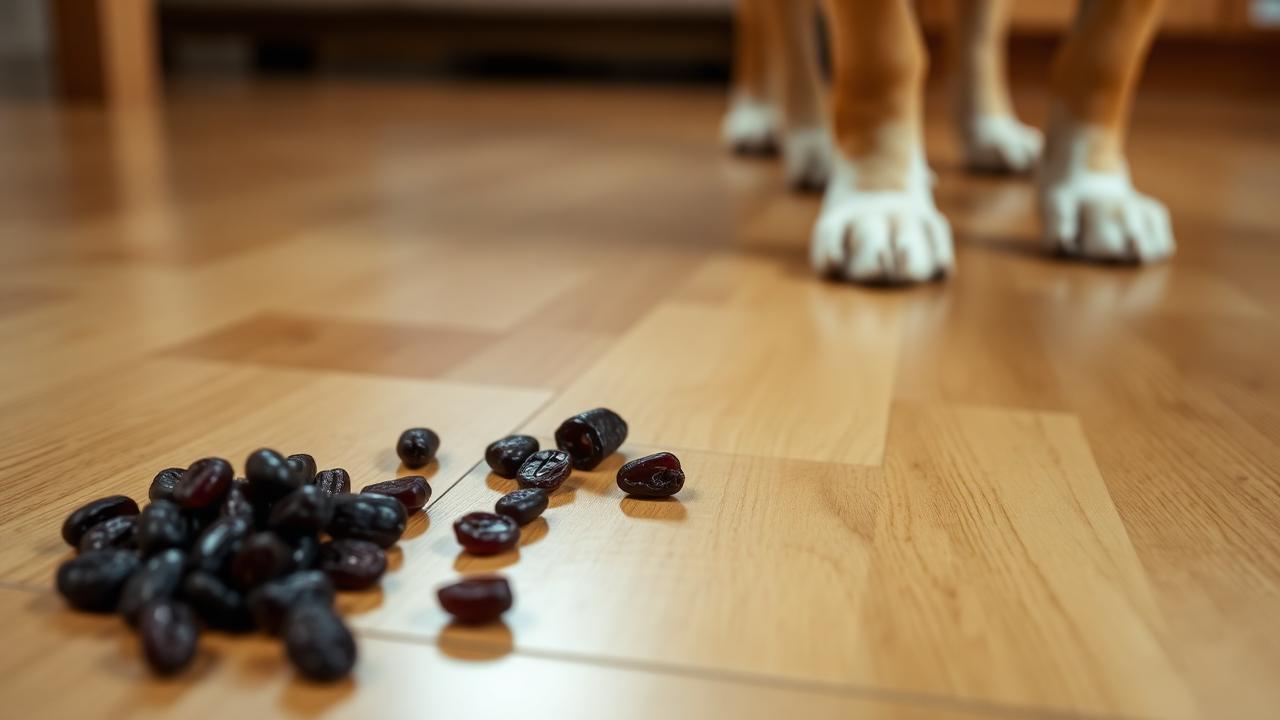
The mystery: decades without a culprit
Grape and raisin toxicosis in dogs was first described in the veterinary literature around the turn of the millennium. For years, researchers looked for pesticides, mycotoxins, heavy metals and other contaminants — and found nothing consistent. Organic and home-grown grapes caused cases too, so contamination never explained it.
The clue: cream of tartar and tamarinds
The breakthrough came from poison-control case records. Toxicologists at the ASPCA Animal Poison Control Center noticed dogs developing the same pattern of acute kidney injury after eating homemade play dough made with cream of tartar (potassium bitartrate) and after eating tamarinds. Both are rich in tartaric acid — and grapes are one of the few fruits with high natural tartaric acid levels. The team described these cases and proposed tartaric acid as the toxic principle (Wegenast et al., 2022).
Why this explains the unpredictable doses
- The fruit varies. Tartaric acid content changes with grape variety, ripeness and growing conditions, so two handfuls of raisins can carry very different doses.
- Drying concentrates it. Raisins, currants and sultanas pack the acid of several grapes into one small piece.
- Dogs seem uniquely sensitive. People eat tartaric acid every day without harm; dogs appear to handle it very differently in the kidney.
- It's still a leading hypothesis. It fits the evidence well, but it has not been proven in controlled studies — so vets still treat every exposure as potentially toxic.
What it changes for owners
It adds new things to keep away from dogs — cream of tartar, homemade play dough and tamarind — and it removes any hope of a "safe number" of raisins. If your dog has eaten any, the practical steps are on our dog ate raisins emergency page and the dog ate grapes page.
What we actually know about dose
Recent toxicology research (2021–2024) points to tartaric acid and potassium bitartrate as the most likely culprits in grape/raisin nephrotoxicity. Raisin tartaric content varies between dogs and between cultivars, which is why dose-response curves are messy and why "safe doses" cited online are unreliable.
The lowest toxic dose reported in published dog case reports is about 2.8 g/kg of raisins (Eubig et al., J Vet Intern Med 2005, summarised in Cortinovis & Caloni, Front Vet Sci 2016). The Merck Veterinary Manual is more cautious: more than one grape or raisin per 10 lb (4.5 kg) of body weight may pose a risk to the kidneys. But case reports include dogs developing acute kidney injury at doses far below that. Vets treat every confirmed ingestion as a potential emergency.
Toxic-dose math by your dog's weight
These numbers are the lowest doses reported in case reports, not a safe limit. Merck warns that more than one raisin per 10 lb may pose a risk, so treat any amount as an emergency.
One raisin weighs roughly 0.5 g.